Latest news
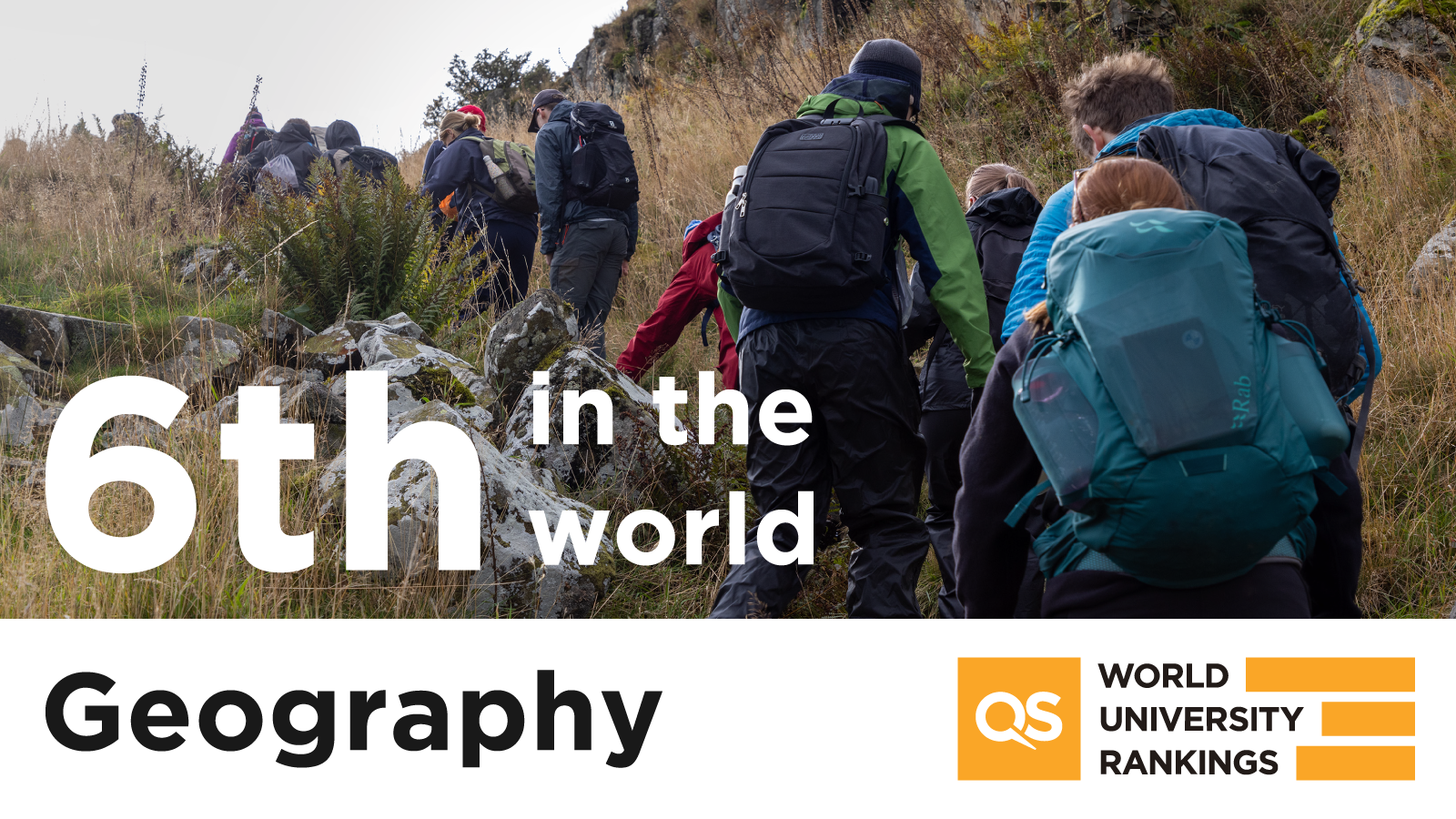
Durham Geography ranked 6th in world
We have been ranked 6th in the prestigious QS World University Rankings by Subject.
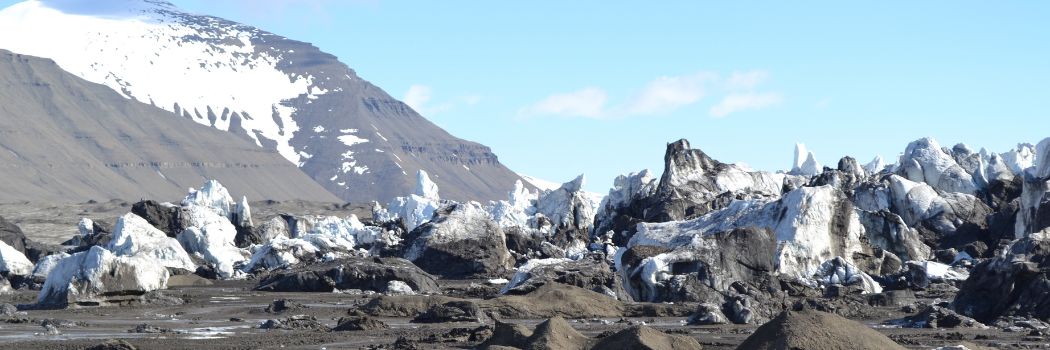
Some glaciers can suddenly surge forward – with dangerous consequences
Professor Chris Stokes, in our Department of Geography, and Dr Harold Lovell, of the University of Portsmouth, say that while its tempting to see advancing ice as an antidote to the gloom of disappearing glaciers, the polar opposite is true.
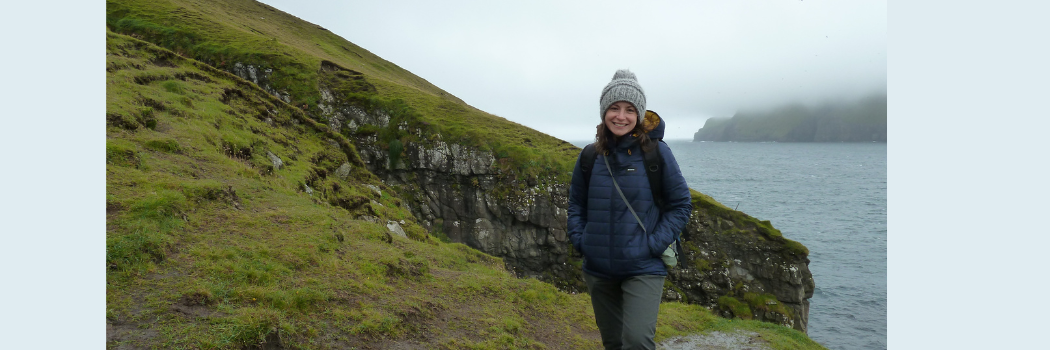
Geographer awarded prestigious Fellowship to improve sea-level rise predictions
Geography researcher Dr Grace Nield has been awarded a prestigious Royal Society Fellowship to advance understanding of how ice loss contributes to global sea-level rise.
Leading research into vulnerable ice sheets
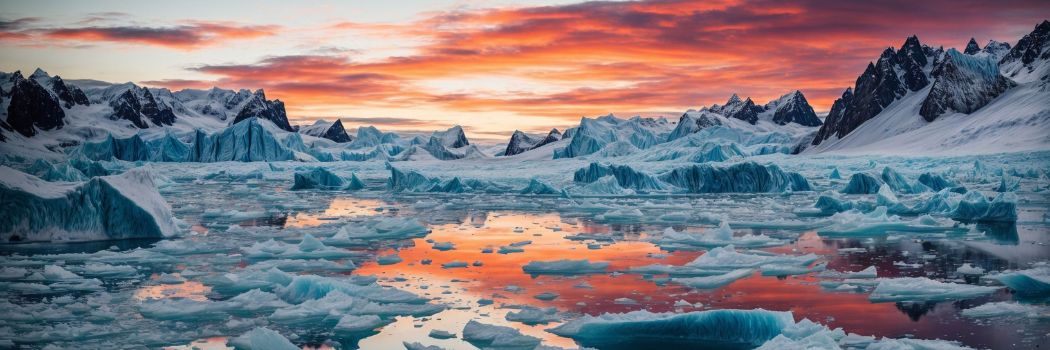
From the Arctic to the Antarctic, we’re leading on research into the effect of climate change on the world’s ice sheets – and advising global policymakers on how to protect them.
Scholarships for taught postgraduate programmes
We are delighted to announce the Graham Earp Scholarship in Sustainability and the Institute of Hazard, Risk and Resilience Donor-Funded Scholarship in Risk. Each of these scholarships will provide £7000 towards tuition fees for up to six international students (three per scholarship) starting one of the Geography Masters programmes in September 2026.
.png)
Royal honour recognises outstanding contributions of leading polar researchers
Two of our leading geographers, Professors Colm O’Cofaigh and Dave Roberts, have received a prestigious Polar Medal from King Charles III.
.png)
Earth’s frozen regions are sending a clear warning about climate change – but politicians are ignoring it
Professor Chris Stokes, in our Department of Geography, Dr Florence Colleoni, National Institute of Oceanography and Applied Geophysics, and Dr James Kirkham British Antarctic Survey, say the science is clear on glacier change – and the perils of ignoring it are even clearer.
Warmer ocean currents significantly destabilise ice sheets, driving their retreat
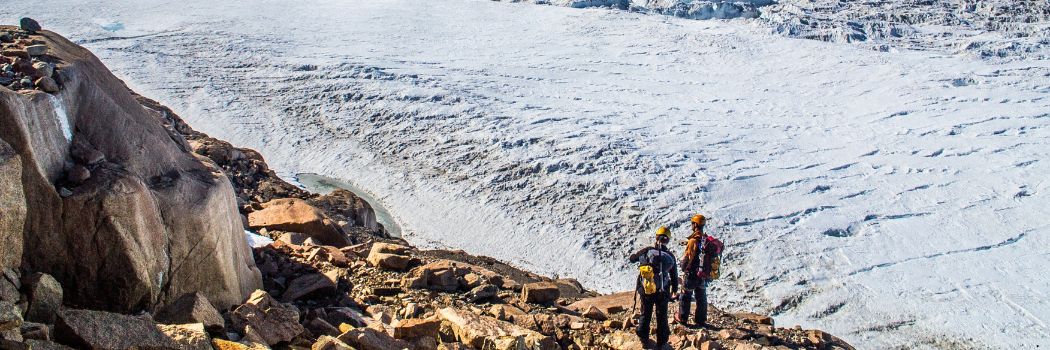
New research reveals how ocean warming triggered the large-scale retreat of the Northeast Greenland Ice Stream (NEGIS) - offering vital clues for understanding its modern-day vulnerability.
Looking for ancient climate clues beneath 500 metres of Antarctic ice
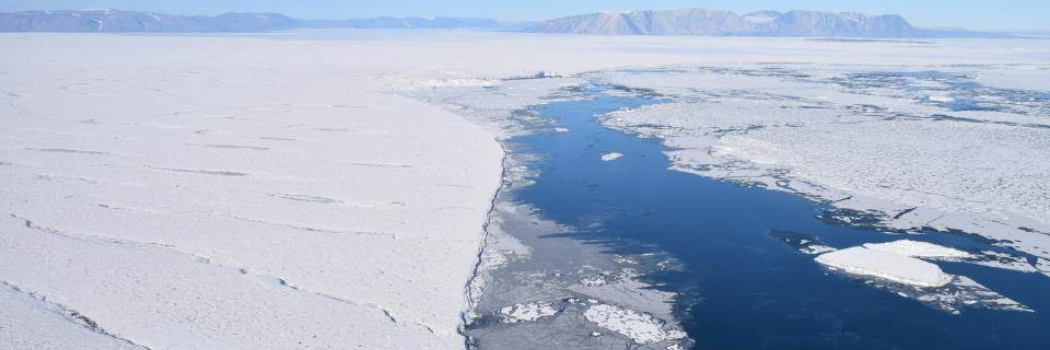
Our geographers are part of international team looking at the possible fate of the West Antarctic Ice Sheet in our warming world.

Greenhouse gases to intensify extreme flooding in the Central Himalayas
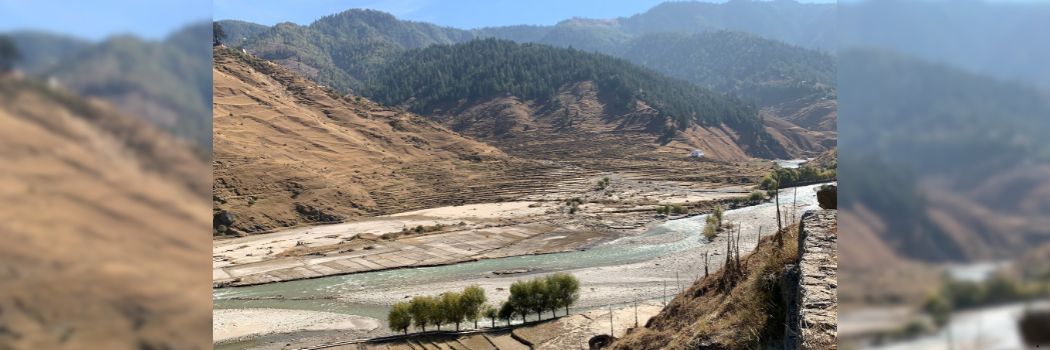
Rising greenhouse gas emissions could see the size of extreme floods in the Central Himalayas increase by between as much as 73% and 84% by the end of this century.
Reflecting on COP 30
We had seven delegates at the recent 30th Conference of the Parties (COP30), under the United Nations Framework Convention on Climate Change (UNFCCC) in Belém, Brazil.

Fuel made from just air, power and water is taking off – but several things are holding it back
The use of e-fuels could be the way forward but there are some barriers. Jon Gluyas, who is a Professor in Geoenergy, Carbon Capture and Storage, takes us through the challenges.