/filters:quality(70)/prod01/prodbucket01/media/durham-university/departments-/history/77231.jpg)
Latest News
New light and sound experience brings Durham Castle’s Norman past to life
Visitors to Durham Castle can step back nearly 1,000 years thanks to a new immersive light and sound installation in one of England's oldest Norman buildings.

£1.3m project investigates Japanese Empire’s impact through its globetrotting singers
We’re hosting a new £1.3m (€1.5m) research project, led by Dr Amanda Hsieh, shedding light on the history and impact of the Japanese Empire on the Pacific through music.

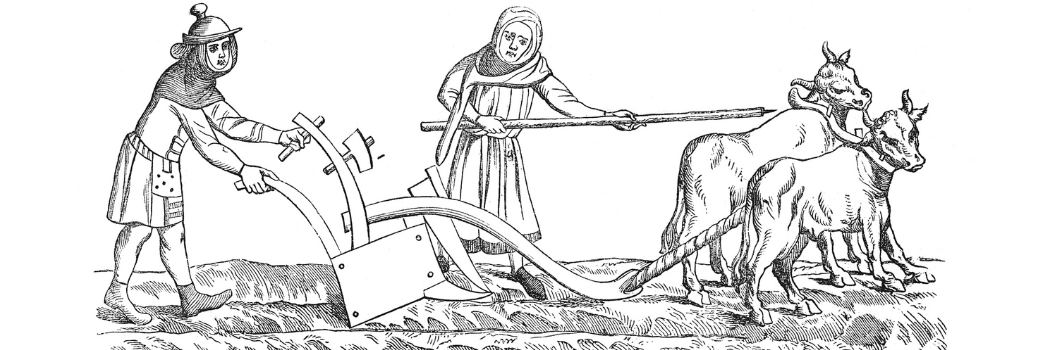
Medieval England had a defamation problem: how people used the law to fight rumours, insults and rivals
Reputation mattered deeply in medieval England. Dr Alex Brown, Associate Professor in Durham University's Department of History and a member of IMEMS, examines how people turned to the courts to defend themselves against rumours, slander and damaging accusations.
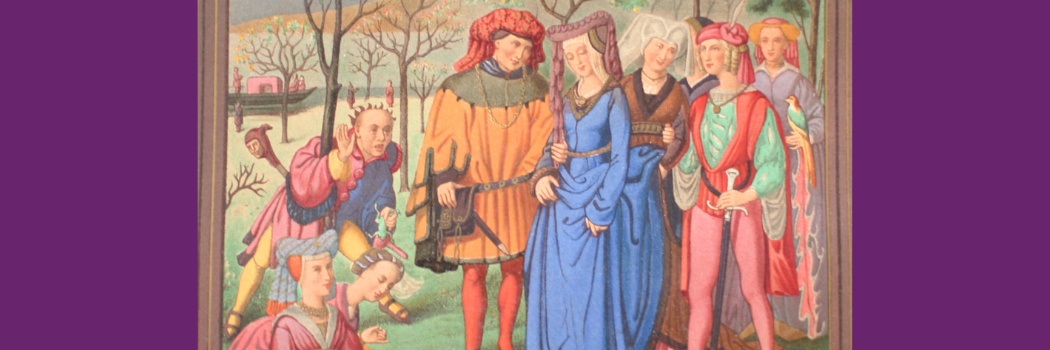
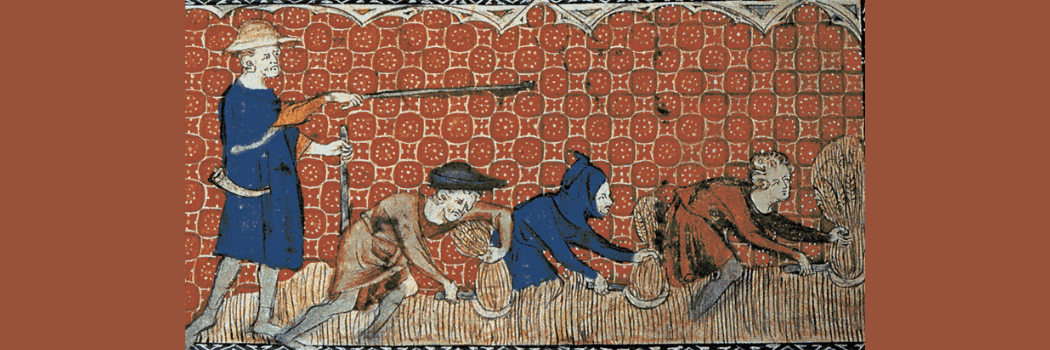
Drought, water shortages and crop failures: how does the medieval warm period compare with today?
A heatwave lasting four months, followed by water shortages and crop failures. This is England in the 13th century, not the 21st. In this article, Dr Alex Brown from our Department of History and our Institute of Medieval and Early Modern Studies says we should heed the lessons of the past when it comes to dealing with climate extremes.
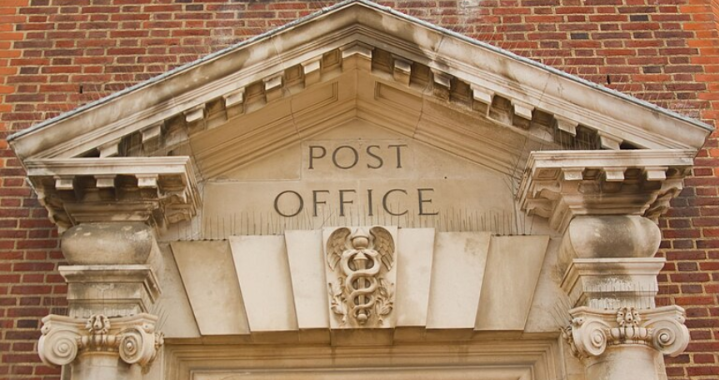
PhD candidate Lucy Jameson wins the Singer Prize from the British Society for the History of Science
Congratulations to Lucy Jameson, who has won the Singer Prize from the British Society for the History of Science for her paper ‘Pass the Parcel: Disabled Expertise, Prosthetics of Productivity, and Scientific Management in the British Post Office, 1918–1921’.
Medieval plague survivors left us graffiti, court records and a lesson for COVID
Memories of pandemics are often contentious. They can be disputed, uncomfortable and politically charged. Dr Alex Brown from our Department of History and our Institute of Medieval and Early Modern Studies examines how the Black Death was chronicled in medieval times and explores how this history can inform commemorations of modern pandemics.
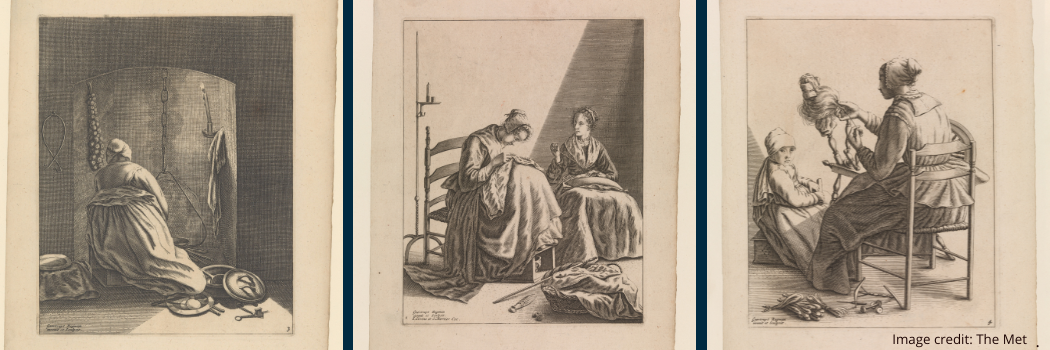
Exploring the hidden histories of the female body
For many women, childbirth is transformative. For Dr Erin Maglaque from our Department of History, it also sparked an exploration into how history has shaped understanding, expectation and perceptions of the female body.
Durham Arts and Humanities subjects rank among the UK’s best in student-focused Unifresher rankings
Durham University’s Arts and Humanities subjects have performed strongly in the latest Unifresher subject rankings, helping to secure Durham’s position as the UK’s leading Russell Group university in the Unifresher 2027 Rankings.

Durham and Southwestern sign new Master’s pathway agreement
Durham University has established a new partnership with Southwestern University (Georgetown, USA), creating a streamlined progression route for qualified Southwestern graduates onto a selection of Durham taught Master’s programmes, including many in Arts and Humanities.

G/R/T History month
Alex Barber co-organises Gypsy Roma Traveller History Month event with academic and creative collaborators

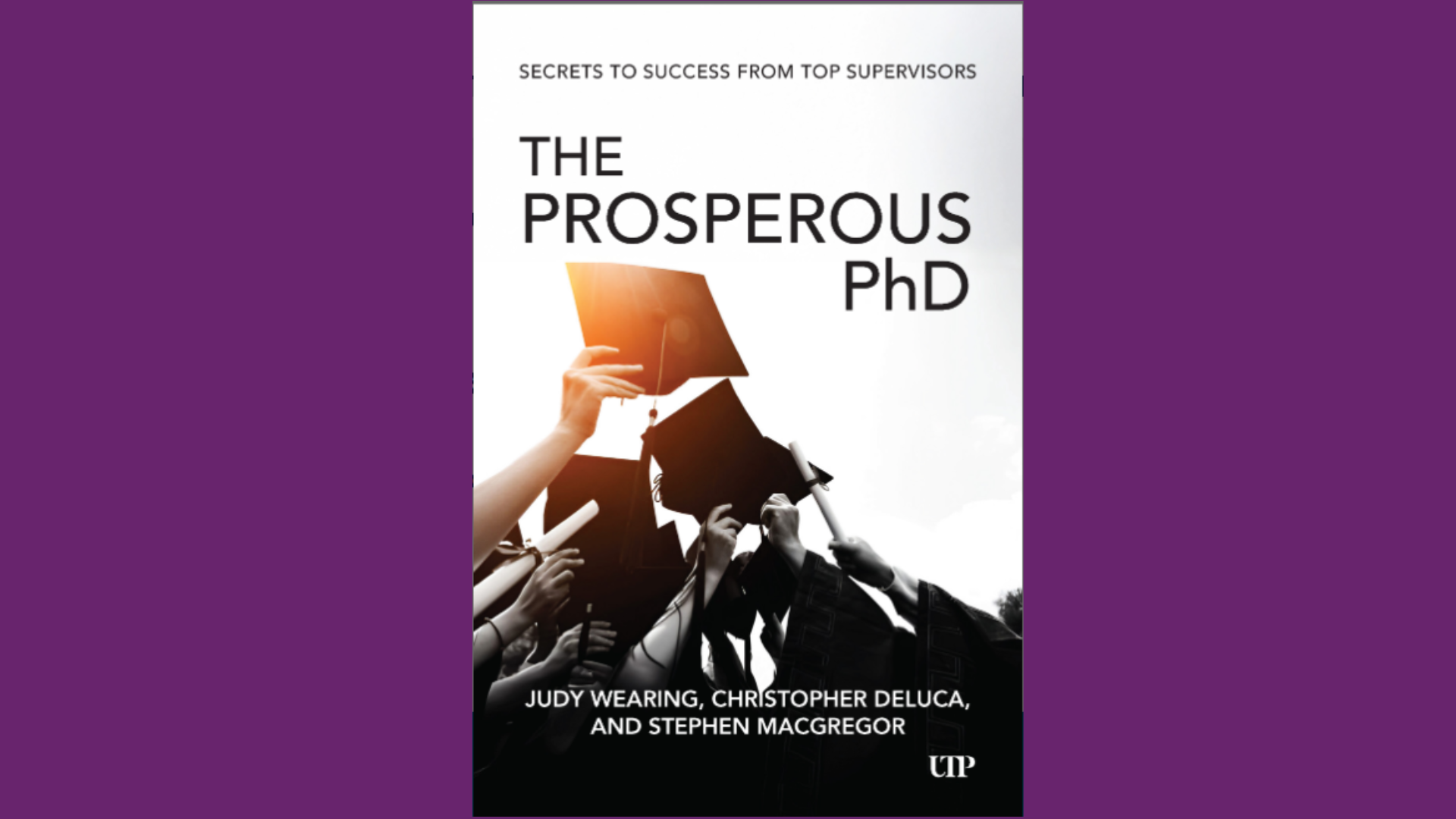
New PhD success guide showcases Durham supervision expertise
A new book bringing together practical, wellbeing-focused advice for doctoral researchers includes contributions from three Durham University supervisors.
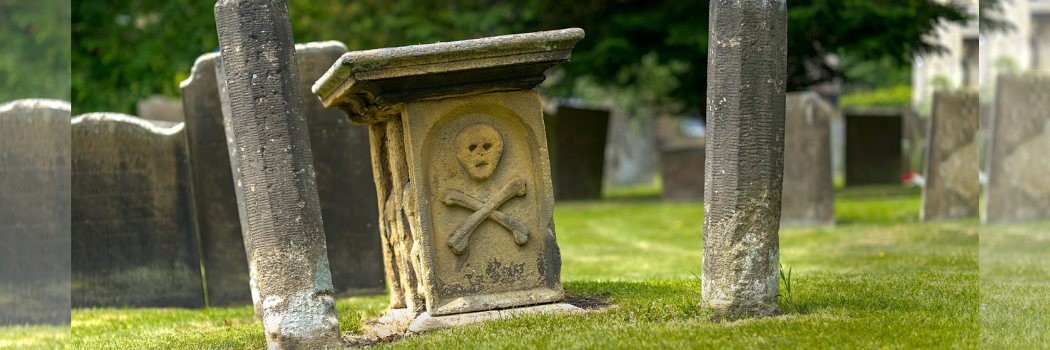
What a list of Black Death survivors reveals about the way people recovered from plague
Associate Professor Dr Alex Brown and Postdoctoral Research Associate Dr Grace Owen of our History Department explain what a newly discovered medieval document tells us about people who survived the Black Death - and how surprisingly quickly they returned to work after their terrible illness.