

Professor Bohlander's paper becomes most-read paper of the journal 'World Futures' in the last 12 months
9 April 2026
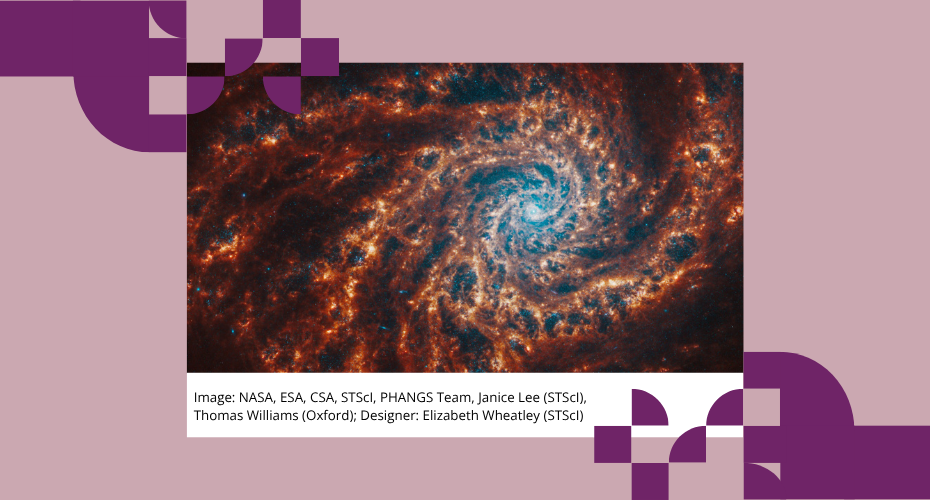
Professor Bohlander's paper "From Description to Meaning – Epistemological Problems of Scientific UAP Research and Ethics of Contact" becomes most-read paper of the journal World Futures in the last 12 months.
The open access paper "From Description to Meaning – Epistemological Problems of Scientific UAP Research and Ethics of Contact" published on 24 November 2025 has become the most-read paper of the journal World Futures in the last 12 months. It is one of a larger number of articles on UAP research which have garnered broad attention with the journal's readership, and it is a welcome development that the topic is increasingly gaining traction in serious academic journals.
Here is the abstract of the article:

Modern research into Unidentified Anomalous Phenomena (UAP) embraces almost exclusively the methods of natural science; the times from the last century of the reliance on witness testimony about sightings of UFOs, leave alone experiencer and abduction narratives, seem to be over. They are considered too unreliable. Instrumental data, material testing, and experimental replicability are the champion concepts of the new search effort. However, this paper argues that this approach is shortsighted and myopic, espousing a questionable understanding of the relationship between what is evidence and what is proof, and failing to appreciate other forms of evidence accepted in contexts which have a direct and enforceable effect on people’s lives, such as judicial proceedings. More to the point, scientific evidence does not help in answering the question about the meaning and purpose of the UAP presence. For that, we need to get “inside the UFOs”, and the only people so far whom we know may have been there are experiencers and in particular abductees. There needs to be an academic revival of a dialogue with their side of the experience, not as objects of evidence for the non-experiencers, but as equal agents. Taking their narratives seriously leads to a second field of enquiry, that of ethics of contact: What they undergo and are told during their time in the UAP environment might give us clues about the ethical framework under which the occupants of these craft operate, and how humanity should position itself toward the visitors.

For links to Professor Bohlander's general research on SETI and UAP see his staff page.