

Durham Energy Institute
Durham Energy Institute connects researchers, communities, industry and policymakers to accelerate clean, fair and inclusive energy transitions.


Welcome to Durham Energy Institute
Decarbonising energy is one of the biggest global challenges of our time.
Durham Energy Institute works across the energy sector to connect expertise and broker research partnerships. We provide an independent hub for evidence-led energy transitions that are technically and economically viable, socially acceptable, and environmentally sustainable.
Through research, training, and outreach, we collaborate to address key energy challenges. We build the capacity, trust, and networks needed for decisions that integrate diverse perspectives and expertise.
Find out more about us

Discover
-
Rethinking the North Sea as a national hydrogen reserve
Depleted North Sea oil and gas fields could store enough green hydrogen to meet electricity needs for years. Our modelling shows how renewables, hydrogen production, and geological storage can work together to create long-term reserves.
-
Powering the Future: Ammonia as a Clean Fuel
Green ammonia could help decarbonise shipping by replacing fossil fuels. Produced using renewable energy, it offers a low‑carbon option but requires investment in supply, infrastructure, and safety measures to enable widespread, safe adoption.


Rethinking the North Sea as a national hydrogen reserve
Depleted North Sea oil and gas fields could store enough green hydrogen to meet electricity needs for years. Our modelling shows how renewables, hydrogen production, and geological storage can work together to create long-term reserves.

Powering the Future: Ammonia as a Clean Fuel
Green ammonia could help decarbonise shipping by replacing fossil fuels. Produced using renewable energy, it offers a low‑carbon option but requires investment in supply, infrastructure, and safety measures to enable widespread, safe adoption.


DEI Energy Day Conference 2026: Safe and Sound: Energy Security, Innovation and Communities
DEI’s Energy Day, held at Redhills on 5 November, explores energy security amid geopolitical shocks, rising demand and climate impacts. Bringing together academia, industry, policy and communities, it showcases resilient, fair energy solutions to cut emissions and support all communities.
Energy Institute News
-
Cool but not immune: The future of heat in Durham
DEI’s Professor in Practice Dr Maggie Bosanquet was interviewed by Jey Draper about Durham’s natural cooling potential. Maggie drew Jey’s attention to the ways in which British homes are not built to withstand the increase in temperature being brought about by climate change.Research news
-
High-Temperature Pyrolysis of Biosolids for Energy Security and Contaminant Destruction
The increasing contamination of biosolids with persistent pollutants (e.g., PFAS, microplastics) presents a critical challenge for sustainable waste management. Concurrently, geopolitical instability continues to expose vulnerabilities in global energy systems, particularly natural gas supply chains. Thermochemical conversion technologies especially high-temperature pyrolysis offers a promising integrated solution.Research news
-
Helium: supply, conflict, security and energy futures
Helium, an inert, odourless, colourless and, on Earth an extremely rare, gas emerged as a commodity in conflict; found use in rocketry, medicine, manufacturing, welding, leak detection, research, the energy transition and energy futures. Today, supply chains are under a threat as never before.Research news
Cool but not immune: The future of heat in Durham
DEI’s Professor in Practice Dr Maggie Bosanquet was interviewed by Jey Draper about Durham’s natural cooling potential. Maggie drew Jey’s attention to the ways in which British homes are not built to withstand the increase in temperature being brought about by climate change.
Research news

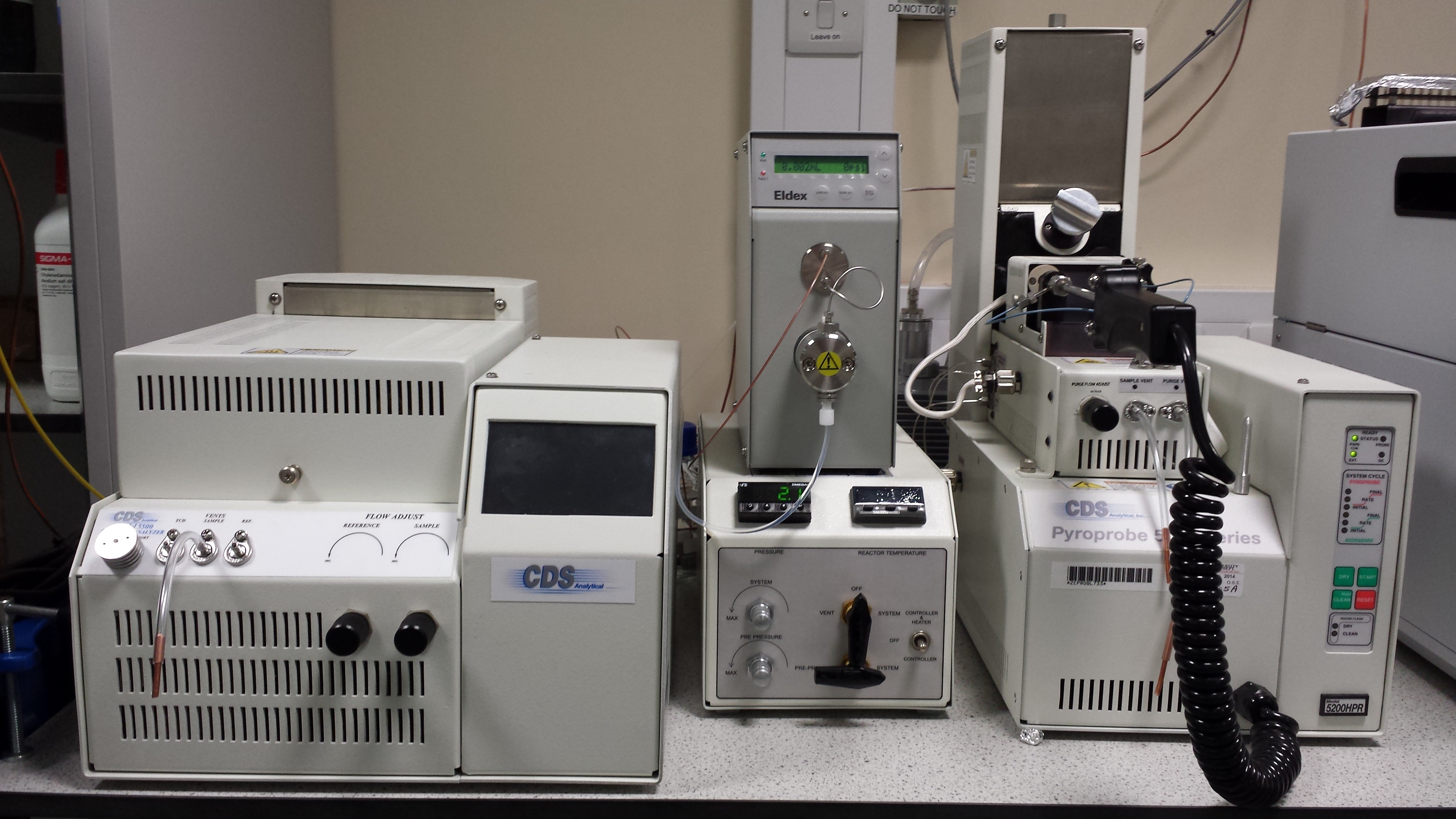
High-Temperature Pyrolysis of Biosolids for Energy Security and Contaminant Destruction
The increasing contamination of biosolids with persistent pollutants (e.g., PFAS, microplastics) presents a critical challenge for sustainable waste management. Concurrently, geopolitical instability continues to expose vulnerabilities in global energy systems, particularly natural gas supply chains. Thermochemical conversion technologies especially high-temperature pyrolysis offers a promising integrated solution.
Research news
Helium: supply, conflict, security and energy futures
Helium, an inert, odourless, colourless and, on Earth an extremely rare, gas emerged as a commodity in conflict; found use in rocketry, medicine, manufacturing, welding, leak detection, research, the energy transition and energy futures. Today, supply chains are under a threat as never before.
Research news



Durham Energy Institute
Level 5
Mountjoy Centre
Durham University
Stockton Road
Durham
DH1 3UP