

Staff profile
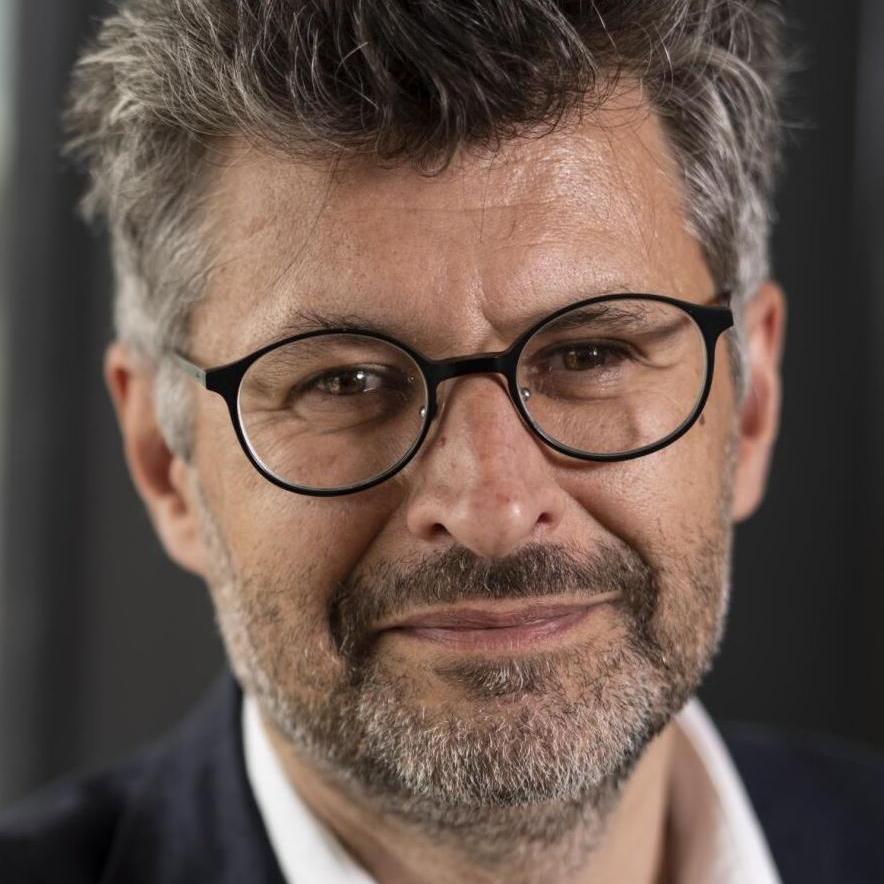
Professor Markian Prokopovych
Professor (Modern European Cultural History)
| Affiliation | Telephone |
|---|---|
| Professor (Modern European Cultural History) in the Department of History | +44 (0) 191 33 41075 |
| Associate Fellow in the Institute of Advanced Study | |
| Director in the Centre for the Study of Ukraine |
Biography
A lot in my life has happened by chance. I grew up in a communal flat in Lviv, on the western fringes of the Soviet Union during its last decades before the fall of the Iron Curtain, in a family persecuted by the regime for refusing, stubbornly even if quietly, to abide by the official ideology. In retrospect, it is easy to spot signs of the regime crumbling, though it did not feel like that at the time. I remember watching in awe the Ukrainian flag rise over the Lviv Town Hall in 1991, even though the rest of Ukraine took another decade, if not longer, to follow suit. This was, of course, the time when very few people outside of the former USSR knew what Ukraine was, let alone that it was a nation with its own priorities different from those of its former metropole. Monuments fell and others rose in their place, but the empire endured.
Of the many freedoms that had suddenly become available, it was international education that seemed the most attractive, so I ended up completing several postgraduate degrees across Central and Western Europe - art history in Prague, urban studies in Rotterdam, heritage conservation in Bratislava, and nationalism studies in Budapest - until deciding, by chance if not by mistake, to do a doctorate in history at the Central European University, then in Budapest and now in Vienna.
For a person of sheltered family background, who grew up in the restrictive, stifling environment of the late Soviet Union, these were formative years at a time that was full of hope and optimism. I embraced friendships and learned the languages of the broader region - so I know from experience that every new language opens another world, and that is not an exaggeration. As part of my doctoral studies, I spent a year at Oxford and another one in Berlin, trying to zoom in onto a good focus and theme for my PhD dissertation. It turned out, however, whether I liked it or not, that I was still strongly anchored in my home city and region: my thesis, which would eventually came out in print as Habsburg Lemberg: Architecture, Public Space and Politics in the Galician Capital, 1772-1914 in 2008, was dedicated to Lviv. But had I not spent those formative years in Central Europe, where the shared legacies of another empire were so obvious and where a lot of the history of my own region suddenly made much more sense, I would have written a very different book. I still feel a lot of affinity with the region, though also some disappointment at what it has become.
My first job was a short cover for a Chair in Polish and Ukrainian Studies at Viadrina University in Frankfurt an der Oder on the German-Polish border. What followed my doctorate was over a decade of precarity on consecutive research projects, scholarships, and fixed-term lectureships still largely within the region - Budapest, Florence, Vienna - that made me doubt, as many early career researchers do today, whether I had made the right choices. These were certainly exciting years, filled as much with amazing partnerships and frenetic research and writing as they were with growing bitterness, existential crisis, and increasingly neurotic navel gazing. Writing my second book, In the Public Eye: The Budapest Opera House, the Audience and the Press, 1884-1918 (2014), was a refuge from these uncertainties during those times.
I am extremely grateful for all the support I have received throughout my professional career but also keenly aware how fortunate I have been. Another chance brought me back to the UK to work on a Leverhulme-funded museum history research project at the University of Birmingham. This resulted in two co-authored books: Liberalism, Nationalism and Design Reform in the Habsburg Empire: Museums of Design, Industry and the Applied Arts (2020) and The Museum Age in Austria-Hungary: Art and Empire in the Long Nineteenth Century (2021), of which I am immensely proud, and which finally got me a permanent post at Durham in 2018, where I have been ever since. But just when it seemed, after the pandemic, that I had some years of stability ahead of me, full-scale warfare started in 2022 with Russia invading Ukraine. I had to rethink my priorities and set aside some of my individual research agendas. I now direct Durham's Centre for the Study of Ukraine and am involved in many cross-departmental, interdisciplinary and international collaborative initiatives that aim to bring acute understanding of the past and the local context - something we historians are so good at - to projects that aim to support Ukraine's present and future. This often brings me outside of my field of expertise, but it is some of the most interesting, exciting, and useful work I have ever done. I am not a natural optimist, but I learned to appreciate the significance of chance. Awful, unprovoked, and unjustified as Russia's war in Ukraine is, it has led Europe to realise that there is a chance to build a fairer, more inclusive continent - and if one can help build that, what are individual research plans in comparison?
Research interests
- Modern European History
- Cultural and urban history
- East-Central Europe
- The Habsburg Empire and the successor states
- Ukraine
- Museums and visual culture
- Migration
Publications
Authored book
- The Museum Age in Austria-Hungary: Art and Empire in the Long Nineteenth CenturyRampley, M., Prokopovych, M., & Veszpremi, N. (2021). The Museum Age in Austria-Hungary: Art and Empire in the Long Nineteenth Century. Penn State University Press.
- Liberalism, Nationalism and Design Reform in the Habsburg Empire: Museums of Design, Industry and the Applied ArtsRampley, M., Prokopovych, M., & Veszpremi, N. (2020). Liberalism, Nationalism and Design Reform in the Habsburg Empire: Museums of Design, Industry and the Applied Arts. Routledge. https://doi.org/10.4324/9781003003625
- In the Public Eye: The Budapest Opera House, the Audience and the Press, 1884-1918Prokopovych, M. (2014). In the Public Eye: The Budapest Opera House, the Audience and the Press, 1884-1918. Böhlau Verlag.
- Habsburg Lemberg: Architecture, Public Space, and Politics in the Galician Capital, 1772-1914Prokopovych, M. (2008). Habsburg Lemberg: Architecture, Public Space, and Politics in the Galician Capital, 1772-1914. Purdue University Press.
Book review
- The Ukrainian West: Culture and the Fate of the Empire in Soviet Lviv by William Jay RischProkopovych, M. (2017). The Ukrainian West: Culture and the Fate of the Empire in Soviet Lviv by William Jay Risch. Harvard Ukrainian Studies, 34(1/4), 532-536.
- I. Lihaciu: Czernowitz 1848–1918Prokopovych, M. (2014). I. Lihaciu: Czernowitz 1848–1918. H-Soz-Kult. Advance online publication.
- Troubled Times: Writing Fin-de-siècle PetersburgProkopovych, M. (2013). Troubled Times: Writing Fin-de-siècle Petersburg. H-Urban.
- S. Zimmermann: Divide, Provide and RuleProkopovych, M. (n.d.). S. Zimmermann: Divide, Provide and Rule. H-Soz-Kult. Advance online publication.
- Review of Balus, Wojciech, Krakau zwischen Traditionen und Wegen in die Moderne: Zur Geschichte der Architektur und der Öffentlichen Grünanlagen im 19. JahrhundertProkopovych, M. (n.d.). Review of Balus, Wojciech, Krakau zwischen Traditionen und Wegen in die Moderne: Zur Geschichte der Architektur und der Öffentlichen Grünanlagen im 19. Jahrhundert. HABSBURG. Advance online publication.
Chapter in book
- Eastern, East-Central and South-Eastern European Cities, 1850-2000Prokopovych, M. (in press). Eastern, East-Central and South-Eastern European Cities, 1850-2000. In D. Brantz & G. Sonkoly (Eds.), The Cambridge Urban History of Europe. Cambridge University Press.
- Museums and Their Publics: Visitors, Societies, and the PressProkopovych, M. (2021). Museums and Their Publics: Visitors, Societies, and the Press. In The Museum Age in Austria-Hungary: Art and Empire in the Long Nineteenth Century (pp. 180-212). Penn State University Press.
- The Museum and the City: Art, Municipal Programs, and Urban AgendasProkopovych, M. (2021). The Museum and the City: Art, Municipal Programs, and Urban Agendas. In The Museum Age in Austria-Hungary: Art and Empire in the Long Nineteenth Century (pp. 51-81). Penn State University Press.
- Governing Taste: Fin-de-siècle Cracow, Its Art Museums and the Urban Elite in the Shaping of the Modern MetropolisProkopovych, M. (2020). Governing Taste: Fin-de-siècle Cracow, Its Art Museums and the Urban Elite in the Shaping of the Modern Metropolis. In B. de Munck, S. Gunn, & T. Hulme (Eds.), Powers of the City: New Approaches to Governance and Rule in Urban Europe since 1500. Routledge.
- Educating the Public: Schools of Design and Applied Arts as Educational and Reform InstitutionsProkopovych, M. (2020). Educating the Public: Schools of Design and Applied Arts as Educational and Reform Institutions. In M. Rampley, M. Prokopovych, & N. Veszprémi (Eds.), Liberalism, Nationalism and Design Reform in the Habsburg Empire (pp. 124-150). Routledge.
- Semperian Trajectories: Architectural Development of Design MuseumsProkopovych, M. (2020). Semperian Trajectories: Architectural Development of Design Museums. In Liberalism, Nationalism and Design Reform in the Habsburg Empire (pp. 91-123). Routledge.
- Das Opernnetzwerk: Wiener Operntradition und der habsburgische KulturraumProkopovych, M. (2019). Das Opernnetzwerk: Wiener Operntradition und der habsburgische Kulturraum. In D. Meyer, O. Rathkolb, A. Láng, & O. Láng (Eds.), Geschichte der Oper in Wien. (pp. 132-153). Molden.
- Language Diversity in the Late Habsburg Empire: Foreword from the EditorsProkopovych, M., Bethke, C., & Scheer, T. (2019). Language Diversity in the Late Habsburg Empire: Foreword from the Editors. In M. Prokopovych, C. Bethke, & T. Scheer (Eds.), Language Diversity in the Late Habsburg Empire (pp. 1-11). Brill Academic Publishers.
- Mapping Migration and the Materiality of Identification in Fin-de-siècle Vienna and BudapestProkopovych, M. (2018). Mapping Migration and the Materiality of Identification in Fin-de-siècle Vienna and Budapest. In A. Winter & H. Greefs (Eds.), Migration, Regulation and Materialities of Identification in European cities, 1500-1930s (pp. 193-216). Routledge.
- Prostitution in Prague in the nineteenth and the early twentieth centuryProkopovych, M. (2017). Prostitution in Prague in the nineteenth and the early twentieth century. In J. Chaumont, M. Rodriguez Garcia, & P. Servais (Eds.), Trafficking in Women (1924-1926) (pp. 185-190). United Nations. https://doi.org/10.18356/8de11ed2-en
- Prostitution in Vienna in the nineteenth centuryProkopovych, M. (2017). Prostitution in Vienna in the nineteenth century. In J. Chaumont, M. Rodriguez Garcia, & P. Servais (Eds.), Trafficking in Women (1924-1926) (pp. 232-237). United Nations. https://doi.org/10.18356/ec5cc5ab-en
- Prostitution in Budapest in the late nineteenth and early twentieth centuryProkopovych, M. (2017). Prostitution in Budapest in the late nineteenth and early twentieth century. In J. Chaumont, M. Rodriguez Garcia, & P. Servais (Eds.), Trafficking in Women (1924-1926) (pp. 38-43). United Nations. https://doi.org/10.18356/e5041020-en
- Az Opera, a tömeg és a sajtó. Botrány a megnyitón: Budapest 1884Prokopovych, M. (2012). Az Opera, a tömeg és a sajtó. Botrány a megnyitón: Budapest 1884. In I. H. Németh, E. Szívós, & Á. Toth (Eds.), A város és társadalma: Tanulmányok Bácskai Vera tiszteletére (pp. 258-267). Hajnal István Kör.
- Spectacles of 1809: Napoleonic, Russian and Austrian Troops in LembergProkopovych, M. (2010). Spectacles of 1809: Napoleonic, Russian and Austrian Troops in Lemberg. In C. Nubola & A. Würgler (Eds.), Ballare col nemico? Reazioni all’espansione francese in Europa tra entusiasmo e resistenza (1792-1815) / Mit dem Feind tanzen? Reaktionen auf die französische Expansion in Europa zwischen Begeisterung und Protest (1792-1815) (pp. 214-254). Societa edittrice il Mulino and Duncker / Humbot.
- From Gypsy Music to Wagner without a Transition? The Musical Taste of the Budapest Urban Public in the Late Nineteenth CenturyProkopovych, M. (2010). From Gypsy Music to Wagner without a Transition? The Musical Taste of the Budapest Urban Public in the Late Nineteenth Century. In S. O. Müller, P. Ther, J. Toelle, & G. zur Nieden (Eds.), Oper im Wandel der Gesellschaft: Kulturtransfers und Netzwerke des Musiktheaters im modernen Europa (pp. 69-88). Böhlau Verlag Wien.
- 'Instead, I saw a little man'. The reception of Verdi in the late nineteenth-century HungaryProkopovych, M. (2009). ’Instead, I saw a little man’. The reception of Verdi in the late nineteenth-century Hungary. In P. Stachel & P. Ther (Eds.), Wie europäisch ist die Oper? Das Musiktheater als Zugang zu einer kulturellen Topographie Europas (pp. 161-174). Böhlau Verlag Wien.
- Staging Empires and Nations: Politics in the Public Space of Habsburg LembergProkopovych, M. (2007). Staging Empires and Nations: Politics in the Public Space of Habsburg Lemberg. In R. Jaworski & P. Stachel (Eds.), Die Besetzung des öffentlichen Raumes. Politische Plätze, Denkmäler und Straßennamen im europäischen Vergleich (pp. 427-453). Frank & Timme GmbH.
- New Monumentality and Capital Cities. A Discursive Analysis of Berlin, Vienna, Budapest and Prague Around 1900Prokopovych, M. (2004). New Monumentality and Capital Cities. A Discursive Analysis of Berlin, Vienna, Budapest and Prague Around 1900. In P. Stachel & C. Szabo-Knotik (Eds.), Urbane Kulturen in Zentraleuropa um 1900 (pp. 37-54). Passagen Verlag.
Edited book
- Language Diversity in the Late Habsburg EmpireProkopovych, M., Bethke, C., & Scheer, T. (Eds.). (2019). Language Diversity in the Late Habsburg Empire. Brill Academic Publishers.
Journal Article
- The City and the Museum: Cracow's Collections and Their Publics in the Long Nineteenth CenturyProkopovych, M. (2018). The City and the Museum: Cracow’s Collections and Their Publics in the Long Nineteenth Century. Austrian History Yearbook, 49, 166-186. https://doi.org/10.1017/s0067237818000140
- Celebrating Hungary? Johann Strauss's Der Zigeunerbaron and the Press in Fin-de-Siècle Vienna and BudapestProkopovych, M. (2017). Celebrating Hungary? Johann Strauss’s Der Zigeunerbaron and the Press in Fin-de-Siècle Vienna and Budapest. Austrian Studies, 25, 118-135. https://doi.org/10.5699/austrianstudies.25.2017.0118
- Urban History of Overseas Migration in Habsburg Central Europe: Vienna and Budapest in the Late Nineteenth CenturyProkopovych, M. (2016). Urban History of Overseas Migration in Habsburg Central Europe: Vienna and Budapest in the Late Nineteenth Century. Journal of Migration History., 2(2), 330-351. https://doi.org/10.1163/23519924-00202006
- Transience, Overseas Migration and the Modern European City. Introduction to the Special Issue ‘Cities and Overseas Migration in the Long Nineteenth Century’Prokopovych, M., & Feys, T. (2016). Transience, Overseas Migration and the Modern European City. Introduction to the Special Issue ‘Cities and Overseas Migration in the Long Nineteenth Century’. Journal of Migration History., 2(2), 209-222. https://doi.org/10.1163/23519924-00202001
- IntroductionProkopovych, M. (2013). Introduction. Journal of Urban History, 40(1), 28-31. https://doi.org/10.1017/s0963926812000612
- Introduction: music, the city and the modern experienceProkopovych, M. (2013). Introduction: music, the city and the modern experience. Journal of Urban History, 40(04), 597-605. https://doi.org/10.1017/s0963926813000345
- Scandal at the Opera: Politics, the Press, and the Public at the Inauguration of the Budapest Opera House in 1884Prokopovych, M. (2013). Scandal at the Opera: Politics, the Press, and the Public at the Inauguration of the Budapest Opera House in 1884. Austrian History Yearbook, 44, 88-107. https://doi.org/10.1017/s0067237813000088
- Lemberg (Lwów, L'viv) Architecture, 1772–1918: If Not the Little Vienna of the East, or the National Bastion, What Else?Prokopovych, M. (2009). Lemberg (Lwów, L’viv) Architecture, 1772–1918: If Not the Little Vienna of the East, or the National Bastion, What Else? East Central Europe, 36(1), 100-129. https://doi.org/10.1163/187633009x411502
- Editorial Introduction for the Special issue on Urban History of East Central EuropeProkopovych, M., Janowski, M., Iordachi, C., & Trencsenyi, B. (2006). Editorial Introduction for the Special issue on Urban History of East Central Europe. East Central Europe, 33(1), 1-6. https://doi.org/10.1163/187633006x00015
- The Lemberg Garden: Political Representation in Public Greenery Under the Habsburg RuleProkopovych, M. (2006). The Lemberg Garden: Political Representation in Public Greenery Under the Habsburg Rule. East Central Europe, 33(1), 71-98. https://doi.org/10.1163/187633006x00060
- The Trap of Western Periphery Reading. Discursive Analysis of Berlin, Vienna, Budapest and Prague around 1900Prokopovych, M. (2000). The Trap of Western Periphery Reading. Discursive Analysis of Berlin, Vienna, Budapest and Prague around 1900. Urbanistyka, 5(special issue ‘Peripheries or Crossroads of Cultures? Towns of East-Central and South-Eastern Europe’), 27-30.
Other (Digital/Visual Media)
- Metropolen der Literatur und KunstProkopovych, M., & Sweet, R. H. (2017). Metropolen der Literatur und Kunst.
- Literary and Artistic MetropolisesProkopovych, M., & Sweet, R. H. (2015). Literary and Artistic Metropolises.
- Kopiec Unii Lubelskiej: Imperial Politics and National Celebration in Habsburg LembergProkopovych, M. (2008). Kopiec Unii Lubelskiej: Imperial Politics and National Celebration in Habsburg Lemberg.