


Prof Elisa Morgera to Champion Human Rights-Centred Climate Action at COP31
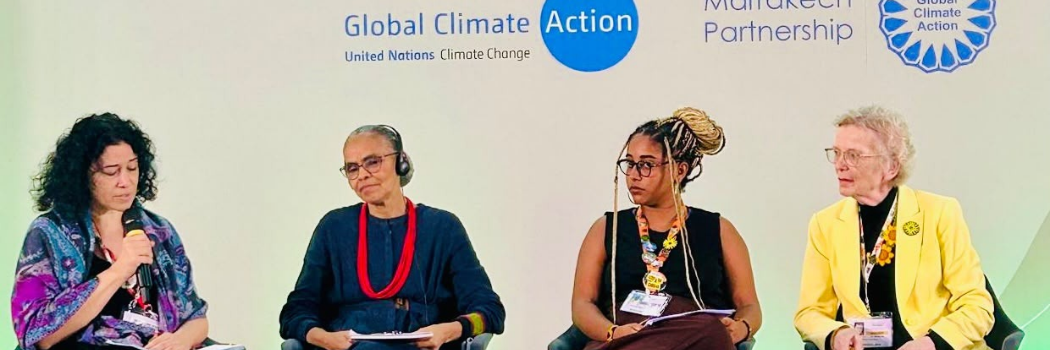
Prof Elisa Morgera, UN Special Rapporteur on Climate Change and Human Rights and Professor of Global Environmental Law at Durham University, will participate in COP31, where she will champion a human rights-centred approach to climate action and contribute to international discussions on pathways towards a just transition away from fossil fuels.
In her recent work as UN Special Rapporteur, Professor Morgera has highlighted the need to address the root causes of climate change by tackling continued dependence on fossil fuels across economies and sectors. She argues that climate action must move beyond a narrow focus on decarbonising to take into account all the negative impacts of the fossil fuels in all their forms (including plastics, pesticides and fertilizers), to ensure effective protection of the climate system, human rights, public health, food security, and to prevent further biodiversity loss and toxic pollution.
A key focus of her recent research has been the effectiveness of international carbon credit markets as climate mitigation tools. Professor Morgera has raised concerns about growing evidence that carbon markets may not be delivering the emissions reductions required to address the climate crisis, to the detriment of everyone’s human right to a healthy environment, as well as causing negative impacts on Indigenous Peoples, peasants and small-scale fishers in project areas. In her analysis, Professor Morgera has relied on the recent advisory opinions from international courts, which have clarified states' obligations to take ambitious and effective action to prevent climate harm. Read the latest report.
At COP31, Professor Morgera will also advocate for more inclusive climate governance and greater recognition of the voices and knowledge of those most affected by climate change. Throughout COP, she will meet with Indigenous Peoples representatives, children and other groups experiencing the most severe impacts of environmental degradation and climate disruption.
Professor Morgera will also emphasise the need for a more integrated approach to climate action, recognising the connections between climate change, food security, human health, biodiversity loss and economic inequality.
Her work calls for climate solutions that are both scientifically robust and grounded in international human rights law, helping to support an effective, equitable and sustainable transition to a safer future for people and the planet.