


High-Temperature Pyrolysis of Biosolids for Energy Security and Contaminant Destruction
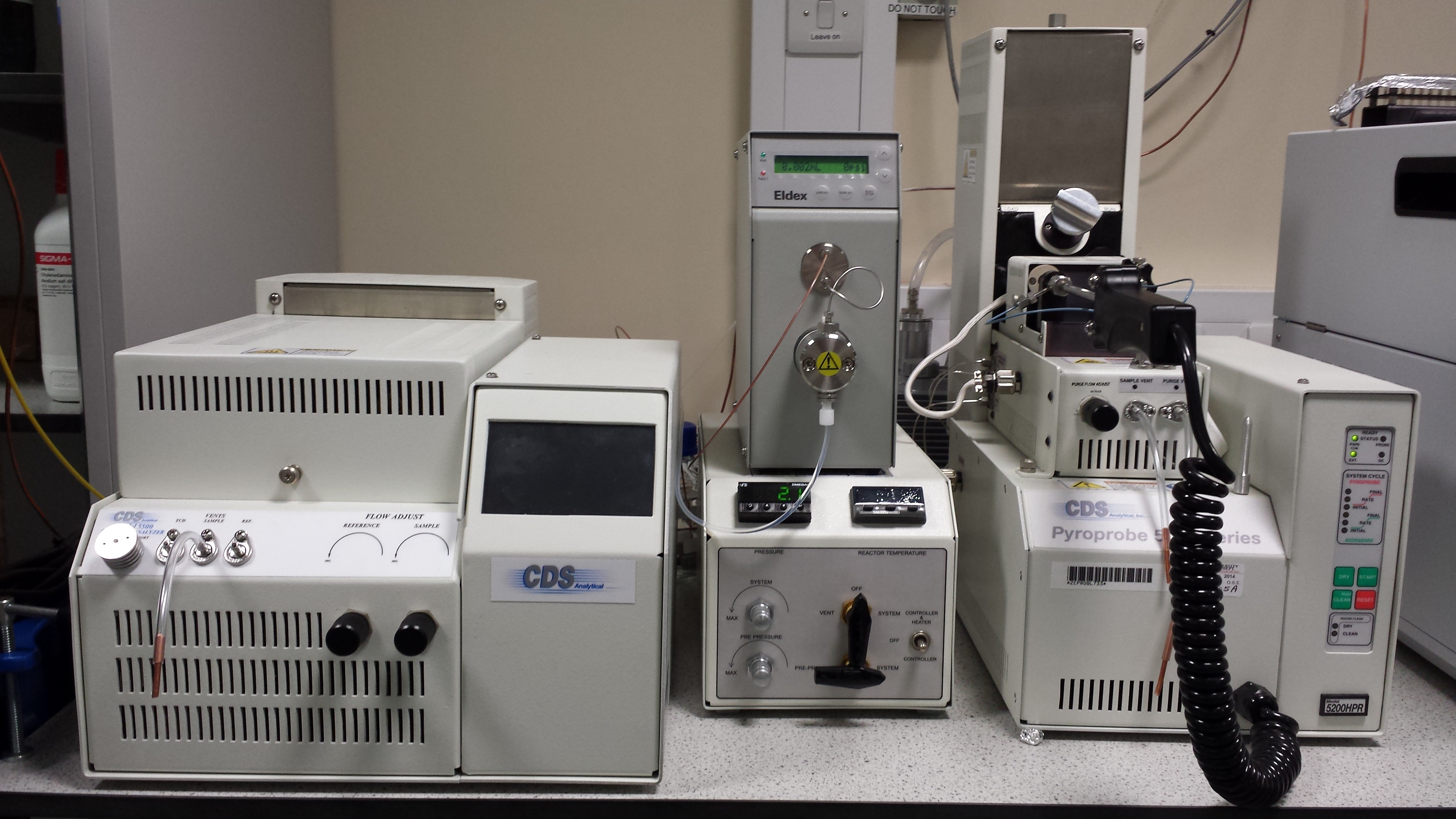
The increasing contamination of biosolids with persistent pollutants (e.g., PFAS, microplastics) presents a critical challenge for sustainable waste management. Concurrently, geopolitical instability continues to expose vulnerabilities in global energy systems, particularly natural gas supply chains. Thermochemical conversion technologies especially high-temperature pyrolysis offers a promising integrated solution.
Hybrid Gasification Ltd’s PyroPlus system builds upon decades of research in gasification and pyrolysis (Malik et al., 1993–2025), advancing the field through high-temperature operation and process integration. Experimental investigations have demonstrated that sewage sludge pyrolysis can produce hydrogen-rich syngas with optimised performance characteristics, supported by statistical modelling approaches (Shivaprasad et al., 2024).
Recent work further highlights the role of pyrolysis in enabling eco-social circular economy frameworks, particularly when applied to agricultural and waste feedstocks (Allison et al., 2025). Integration with downstream processes such as liquid fuels synthesis expands the system boundary, enabling production of sustainable fuels and chemicals (Roy et al., 2025).
From a contaminant perspective, elevated temperatures and controlled residence times in pyrolysis systems facilitate the breakdown of hazardous compounds (Wilde et al., 2026). Earlier studies on sewage sludge thermochemical processing (Ndaji et al., 1999; Malik & Crowe, 1998) established foundational understanding of energy recovery and pollutant behaviour, which modern systems now extend to emerging contaminants.
In addition, advances in hybrid gasification modelling (Ramzan et al., 2011) and plasma-assisted processes (Malik & Dighe, 2009; Patent 2025 pending) demonstrate the potential for enhanced syngas quality and process intensification. These developments are particularly relevant in the context of decentralised energy systems, where flexibility and feedstock heterogeneity are key considerations.
The contribution of such systems to energy security is twofold:
- Decentralisation of energy production, reducing dependence on centralised fossil fuel imports
- Integration with waste management infrastructure, improving system efficiency and sustainability
Furthermore, the synthesis of advanced materials from waste-derived carbon streams (Jiang et al., 2020) illustrates the broader industrial relevance of thermochemical conversion technologies.
In conclusion, high-temperature pyrolysis platforms such as PyroPlus represent a convergence of waste treatment, energy generation, and materials recovery, offering a robust pathway toward resilient and sustainable energy systems.
Authors: Abdullah Malik, KV Shivaprasad, Tony Roskilly
References
- Shivaprasad et al. (2024) PSEP https://doi.org/10.1016/j.psep.2024.04.071
- Allison et al. (2025) Biomass Conversion and Biorefinery
https://doi.org/10.1007/s13399-024-06361-z
- Roy et al. (2025) Energy Proceedings https://www.energy-proceedings.org/wp-content/uploads/icae2024/1728395648.pdf
- Wilde et al. (2026), Energy Advances https://doi.org/10.1039/D5YA00228A
- Jiang et al. (2020) Nature Sustainability https://doi.org/10.1038/s41893-020-0538-1
- Ramzan et al. (2011) Biomass and Bioenergy https://doi.org/10.1016/j.biombioe.2011.06.005
- Malik & Crowe (1998) Energy World DOI: 10.1615/1-56700-127-0.60
- Ndaji et al. (1999) Fuel https://doi.org/10.1016/S0016-2361(98)00152-5
- Malik & Dighe (2009) European Gasification Conference