

Staff profile
Cory Ettiene
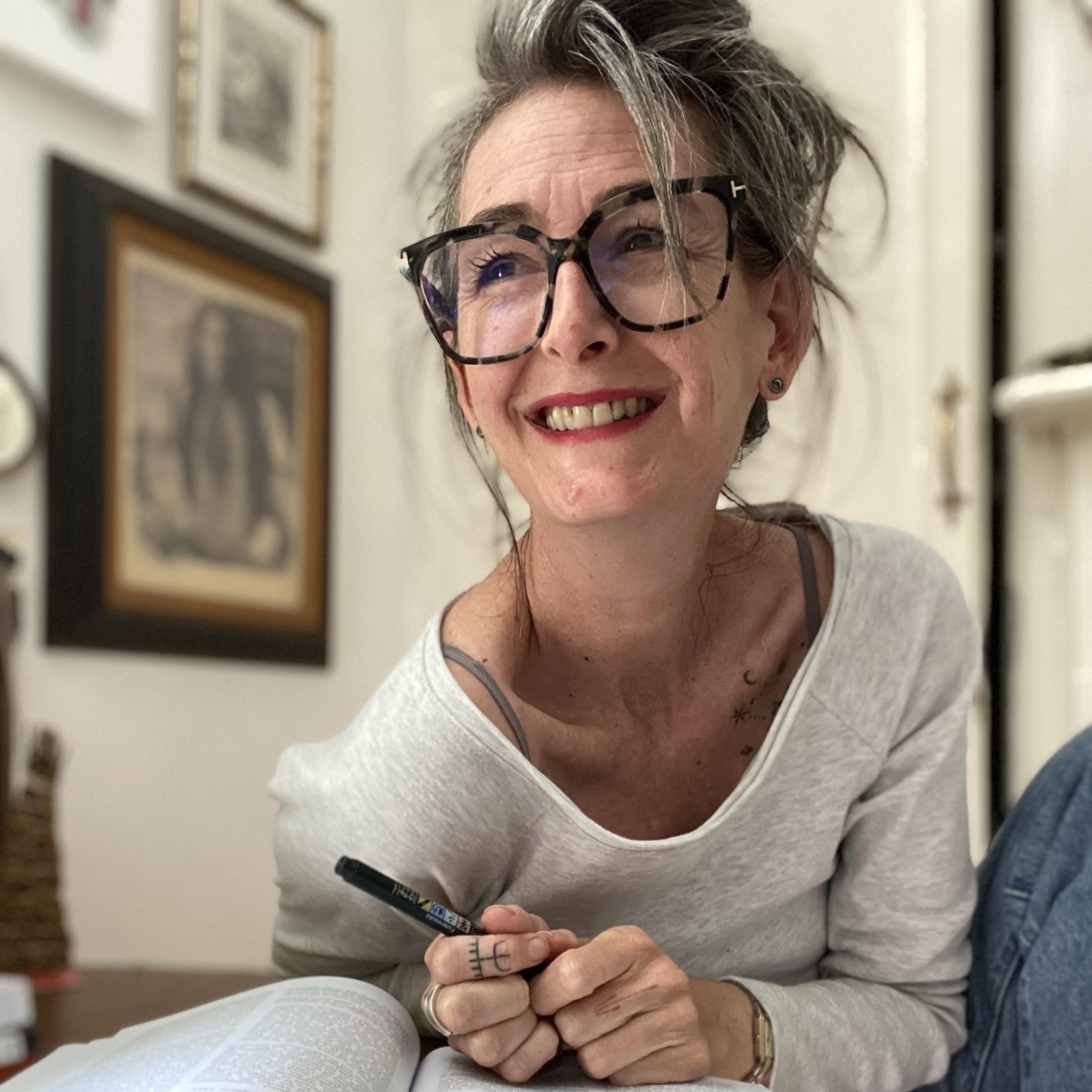
Biography
Cory Ettiene is a doctoral researcher in Archaeology at Durham University. Her research examines Amazigh weaving traditions among the Ait Atta of the Tafilalet-Tinghir corridor in southern Morocco, with a focus on women's domestic spaces, embodied weaving practice, and the intergenerational transmission of technical and cosmological knowledge. Her approach is ethnoarchaeological, grounded in sustained ethnographic fieldwork with nomadic and settled communities during a period of rapid social and economic transformation. A documentary project, The Last Thread, developed in parallel with her fieldwork, extends this research into visual form.
Alongside her doctoral research, Cory works as a Teaching Assistant in Anthropology, leading undergraduate seminars in Ethics and in People and Culture.
Before returning to academia, Cory built a substantial professional career in the United States, spanning broadcast media, writing, and entrepreneurship. She founded Ettiene Market, which grew into one of the largest women-owned retail businesses in Texas and was recognised nationally for the quality of its customer experience. This background informs her approach to public engagement, visual documentation, and knowledge exchange.
She holds an MA in the Philosophy of Religion from King's College London and a second MA in Classics from Durham University.
Cory is the founder and director of Heritage in Her Hands CIC, a UK-based community interest company supporting Amazigh women artisans through weaving commissions, fair compensation, and the humanitarian distribution of textiles to refugee communities.
Research Interests
Cory Ettiene's research sits at the intersection of material culture, women's labour, and intangible heritage. Her doctoral work examines how Amazigh women in the Tafilalet-Tinghir corridor function as custodians of cosmological knowledge through embodied weaving practice — how motifs, colour systems, and loom technologies are transmitted between women, adapted across generations, and embedded in the spatial and ritual organisation of domestic life. This research is time-sensitive. Globalisation, labour migration, and ecological change are reshaping the oral and material traditions that have historically structured these communities, and the window for sustained ethnographic documentation is narrowing.
Her fieldwork combines participant observation, detailed study of domestic workspaces, and ethnographic interviews with settled and nomadic families. She records oral histories, documents weaving sequences and loom placement, and examines the symbolic registers attached to motif and colour use across individual and community practice. This work is grounded in feminist archaeology and draws critically on the colonial archive — a body of record that systematically detached Amazigh material culture from the domestic and cosmological contexts that produced it.
Alongside her fieldwork in Morocco, she has contributed to the Partnership for Heritage programme in southern Tunisia, working with women's cooperatives across several villages to strengthen heritage-based craft economies and support the local transmission of weaving knowledge.
Her broader research interests include the archaeology of gendered labour, motif symbolism and cosmological systems, domestic craft technologies, and the recovery and critical reappraisal of ethnographic archives produced under colonial conditions.
She is supervised by Dr Anna Leone and Dr Paolo Fortis.
Teaching and Learning
Cory Ettiene teaches across two Anthropology modules: Ethics and People and Culture. Her seminars prioritise close engagement with ethnographic texts alongside sustained attention to the conditions under which knowledge about other communities is produced. Students are encouraged to read theory as a live methodological question rather than a body of received doctrine.
She draws directly on her fieldwork in North Africa to ground seminar discussions of gender, kinship, material culture, and positionality. In the Ethics module in particular, questions of researcher obligation, community consent, and the politics of representation are approached not as abstract principles but as practical problems encountered in the field.
Beyond the undergraduate curriculum, she has led archaeology theory seminars for Durham Summer School, introducing school leavers to university-level disciplinary thinking. She has also delivered workshops in marketing, business development, and product strategy for women weavers in Tunisia through the Partnership for Heritage programme, supporting artisans in building sustainable heritage-based craft economies.
Selected Talks and Presentations
'Ecological Precarity and Material Culture: Desertification and its Impact on Weaving Traditions in North Africa', Royal Geographical Society 2026